📍 Our Address
1806 Highway 35 Suite 110 B
Oakhurst, NJ 07755
📞 Call Us
+1 862-755-8464
+1 848-218-1555
+1 773-960-5416
✉️ Email Support
newmanpccsinfo@gmail.com

1806 Highway 35 Suite 110 B
Oakhurst, NJ 07755
+1 862-755-8464
+1 848-218-1555
+1 773-960-5416
newmanpccsinfo@gmail.com

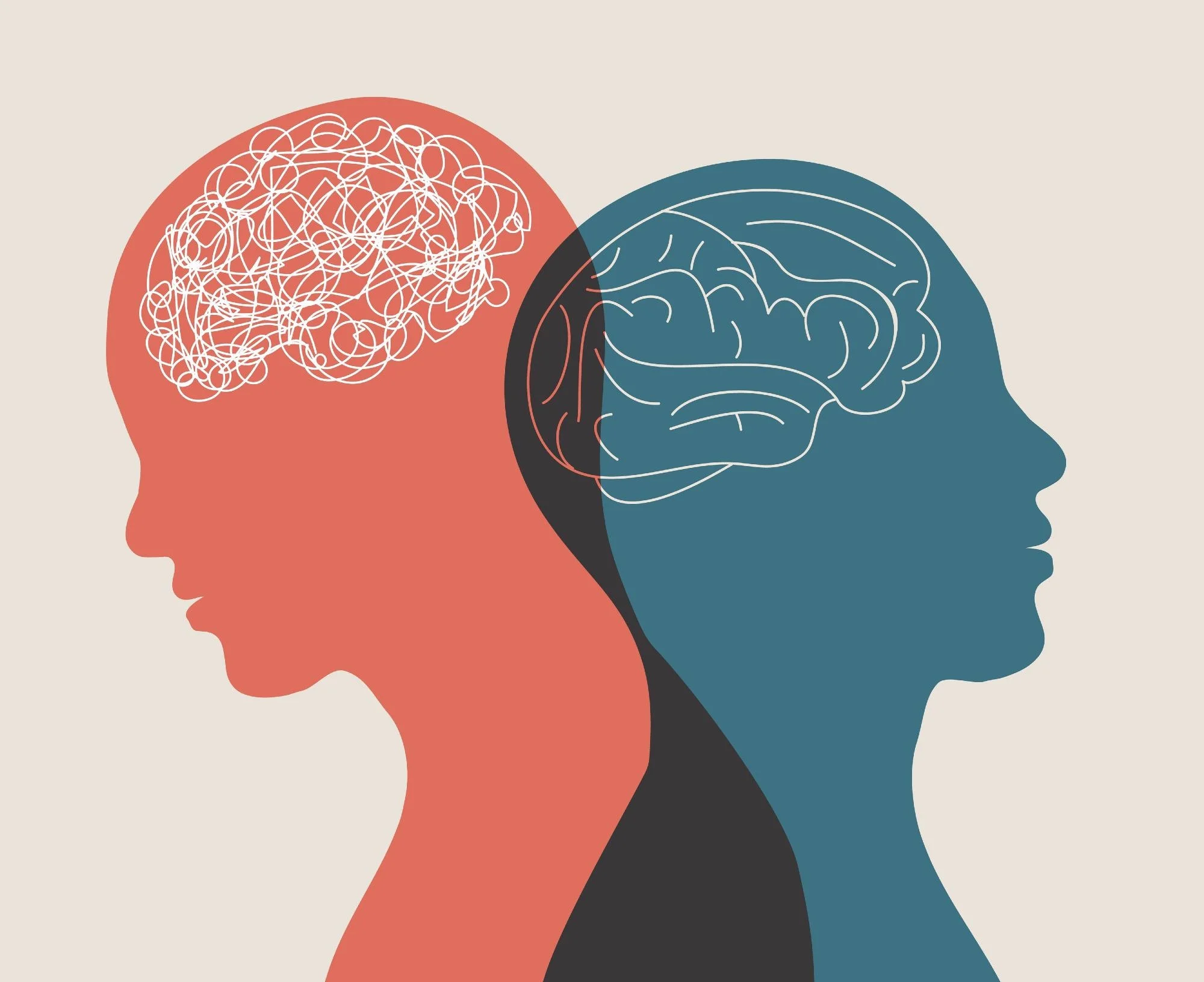
The terms “mental health” and “mental illness” are sometimes interchanged, but they differ in
meaning. While mental health refers to anyone’s state of mental, emotional well-being, mental
illnesses are diagnosed conditions that affect thoughts and behaviors. Though anyone can have
moments of poor mental health, not everyone has a mental illness. On the other hand, someone with
a mental illness can achieve sound mental health.
Promoting good mental health and treating mental illnesses can require some of the same actions.
For instance, counseling sessions can help someone improve their mental health whether or not they
have a mental illness. Therapy, along with lifestyle changes, medications and other practices, can
help people live more fulfilling lives.
What Is Mental Health?
Mental health is all about mental well-being. According to the World Health Organization (WHO),
someone who is mentally well can realize their potential, cope with normal stressors and contribute
to their community in a productive way. Mental health is about physical, mental and social
well-being. Good mental health allows someone to live a fulfilling, satisfying life while dealing with
everyday challenges.
Offering mental health interventions and programs
Providing treatment for mental illnesses with therapy, medication and other methods
An individual can improve their mental well-being by making positive lifestyle adjustments and
pursuing a sense of purpose in life. A person’s mental health can vary throughout their life,
depending on outside factors. Mental illness does not bar someone from achieving good mental
health. With proper support, anyone can improve their mental well-being.
What Is Mental Illness? Mental Illness vs. Mental Health Conditions
A mental illness is a diagnosable disorder with a standard set of criteria. It can be caused by factors
like genes, brain chemistry or trauma. Anyone can have a mental illness, regardless of age,
socioeconomic class, sex or race. These disorders can also be called mental health conditions.
Mental illnesses complicate mental health by affecting the way a person feels, thinks, acts or
experiences the world. Different mental illnesses have different symptoms, some of which take effort
to work through. Here are some of the most common mental illnesses and their prevailing symptoms.
In essence, mental health and mental illness are not the same. Mental health affects all people, while
only some experience diagnosed mental illnesses. It’s helpful to realize that mental illness does not
always lead to poor mental health and that poor mental health is not always due to mental illness.
Life events or other outside factors can affect anyone’s mental health, whether or not a mental illness
is present.
Q&A