📍 Our Address
1806 Highway 35 Suite 110 B
Oakhurst, NJ 07755
📞 Call Us
+1 862-755-8464
+1 848-218-1555
+1 773-960-5416
✉️ Email Support
newmanpccsinfo@gmail.com
1806 Highway 35 Suite 110 B
Oakhurst, NJ 07755
+1 862-755-8464
+1 848-218-1555
+1 773-960-5416
newmanpccsinfo@gmail.com
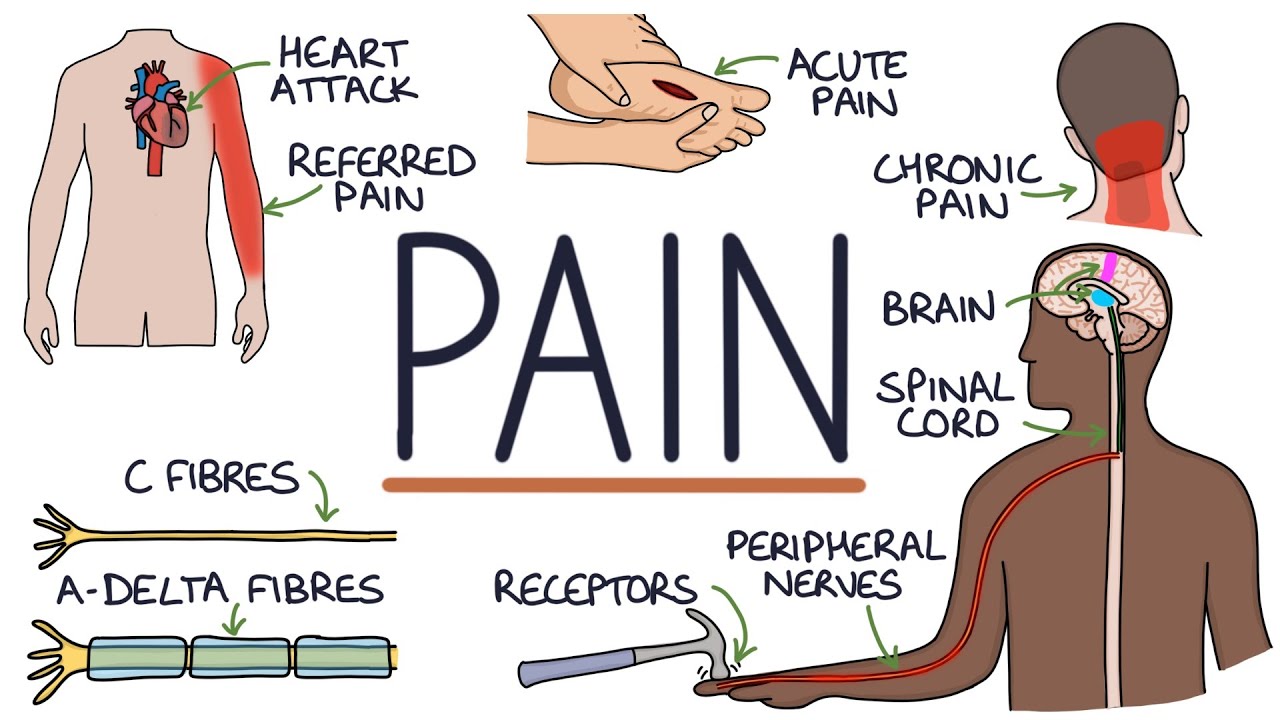
Pain management is designed to treat chronic pain and allows a person to live a full, enjoyable life.
Chronic pain is pain that lasts more than three to six months or pain beyond the point of tissue
healing. Some forms of chronic pain can be linked to an identifiable cause, such as degenerative disc
disease, spinal stenosis, or spondylolisthesis. Other forms have no clear cause, such as fibromyalgia
or nerve pain. Fighting chronic pain is a lifelong struggle for many. With an accurate diagnosis and
early intervention, we hope to help patients avoid a state of chronic pain, or at least reduce the
severity of pain, and improve quality of life.
Pain management requires a person’s dedication, commitment, and knowledge in order to achieve
the best results. It can be a great alternative to surgery. Pain management techniques can be grouped
in terms of their invasiveness: non-invasive, non-drug pain management; non-invasive
pharmacologic pain management; and invasive pain management.
Non-invasive, Non-drug Pain Management
There are a variety of non-invasive, non-drug pain management techniques. Some of these include:
● Exercise – increasing strength, flexibility, and restoring normal motion is the aim. Includes
water therapy, stretching exercises, aerobic routines and others. Exercise is necessary for
proper cardiovascular health, disc nutrition and musculoskeletal health.
● Manual techniques- manipulation of affected areas by applying force to the joints,
muscles, and ligaments.
● Behavioral modification – Cognitive therapy involves teaching the patient to alleviate
back pain by means of relaxation techniques and coping techniques. Biofeedback involves
learning to control muscle tension, blood pressure, and heart rate.
● Superficial heating or cooling of skin – These methods include cold packs and hot packs,
ultrasound, and diathermy and are used in conjunction with exercise.
● Electrotherapy – the most commonly known form of electrotherapyis transcutaneous
electrical nerve stimulation (TENS), which uses a low-voltage electric stimulation that
interacts with the sensory nervous system
Non-Invasive Pharmacological Pain Management
A few non-invasive pharmacological pain management drugs include: acetaminophen (Tylenol),
NSAIDs, oral steroids, narcotics, muscle relaxants, and anti-depressants. These have benefits and
risks and you should speak with your physician or a pain management specialist before using them to
relieve symptoms of chronic pain.
Invasive Pain Management
Invasive pain management involves injections. Some of these include epidural steroid injections
(ESIs) and radiofrequency neurotomy.
ESIs are a commonly used for low back pain and leg pain. At times the injection alone is sufficient to
provide relief, but sometimes a rehabilitation program is added. A radiofrequency neurotomy is used
to treat facet joint pain or sacroiliac joint pain caused by arthritis or other degenerative changes, or
from an injury.
While dealing with severe pain is a difficult experience physically, emotionally, financially, and
practically, it is best to seek medical attention for your pain as soon as possible. A pain management
specialist provides a personalized approach and comprehensive treatment plan to alleviate your pain
and improve your quality of life.
Q&A